Traditional bridal wear reflects culture, heritage, personal style, and the beauty of wedding celebrations. From richly embroidered lehengas and elegant sarees to timeless bridal gowns and beautifully coordinated dupattas, traditional wedding outfits offer countless ways to create a memorable bridal look.
Choosing the right bridal outfit can feel overwhelming because there are so many colors, fabrics, designs, and embellishments to consider. Some brides prefer classic red and gold combinations, while others love pastel shades, intricate embroidery, or traditional outfits with modern details.
In this guide, we explore 30 traditional bridal wear ideas to help brides find inspiration for their wedding day. Whether you are planning a South Asian wedding, a cultural ceremony, or a celebration inspired by timeless bridal fashion, these ideas can help you discover an outfit that suits your taste, traditions, and budget.
Why Traditional Bridal Wear Remains Popular?
Traditional bridal clothing has a special place in wedding celebrations because it often represents cultural identity, family traditions, and craftsmanship passed down through generations. Detailed embroidery, luxurious fabrics, decorative borders, and carefully selected accessories can make each outfit feel unique.
Traditional bridal wear also offers plenty of variety. Brides can choose from heavily embellished outfits for grand ceremonies or simpler designs for intimate celebrations. The right combination of color, fabric, jewelry, and styling can create an elegant look without losing the outfit’s cultural character.
30 Traditional Bridal Wear Ideas to Inspire Your Wedding Look
- Classic Red Bridal Lehenga

A classic red bridal lehenga is one of the most recognizable choices for traditional South Asian weddings. Red fabric paired with gold embroidery, zari work, and a matching dupatta creates a rich and timeless appearance.
Brides can choose a heavily embroidered lehenga for a formal ceremony or a more understated design with decorative borders. Gold jewelry and traditional footwear can complement the outfit beautifully.
- Royal Gold Bridal Outfit
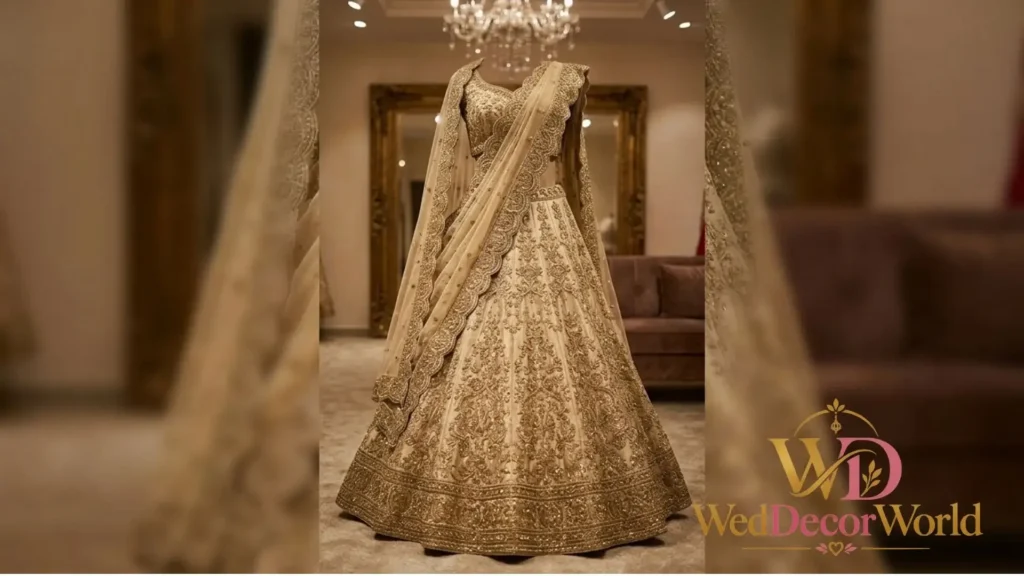
Gold bridal wear is an elegant option for brides who appreciate luxurious details. A gold lehenga, long embroidered shirt, or flowing traditional gown can feature metallic threadwork, sequins, and delicate bead embellishments.
To keep the look balanced, consider pairing a richly decorated outfit with coordinated jewelry and a simple hairstyle. Champagne and antique-gold shades are alternatives for brides who prefer softer metallic tones.
- Traditional Bridal Saree
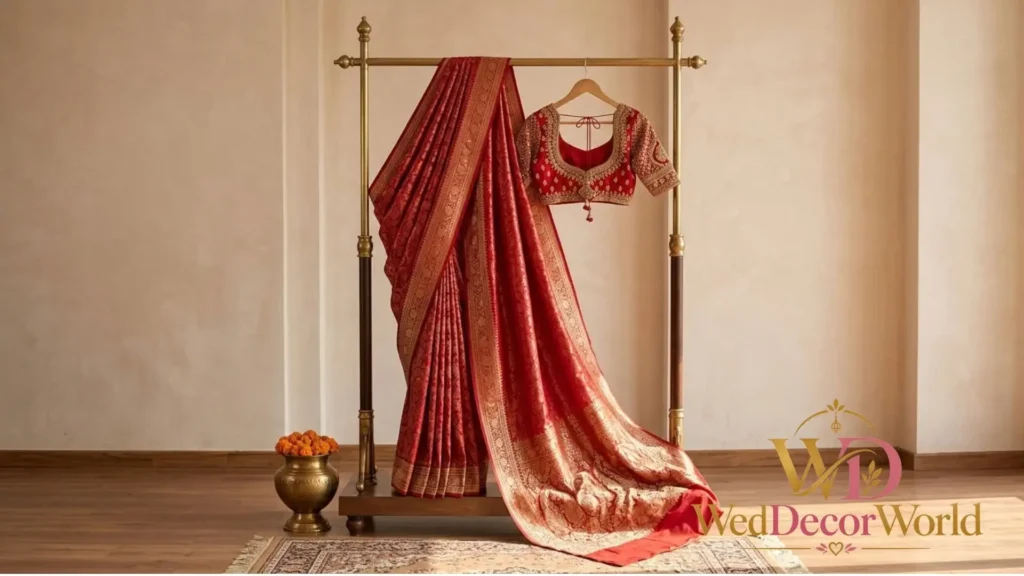
A traditional bridal saree offers timeless elegance and can be styled according to regional customs. Silk sarees, zari-bordered sarees, and richly embroidered designs are popular choices for formal wedding ceremonies.
Choose a color and draping style that suit your cultural traditions. A coordinated blouse, decorative border, and carefully arranged pallu can complete the outfit.
- Pakistani Bridal Lehenga Choli
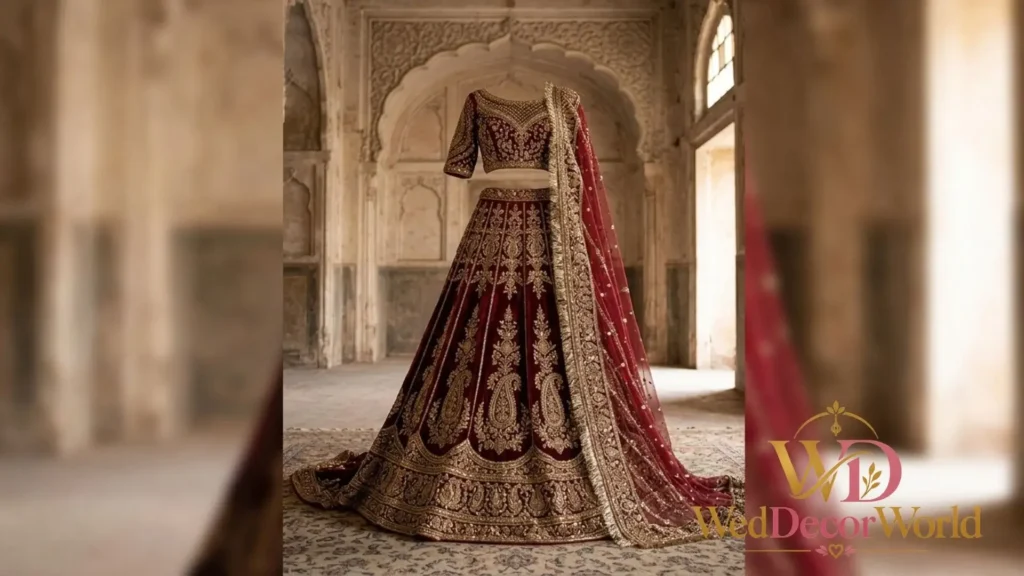
A Pakistani bridal lehenga choli combines a traditional flared skirt with a matching blouse and dupatta. Detailed hand embroidery, pearls, sequins, dabka, and zari work can create a distinctive bridal appearance.
Red, maroon, gold, and ivory are possible color choices, depending on personal preference and wedding customs. A beautifully embroidered dupatta can add another layer of detail to the overall outfit.
- Embroidered Sharara Bridal Dress
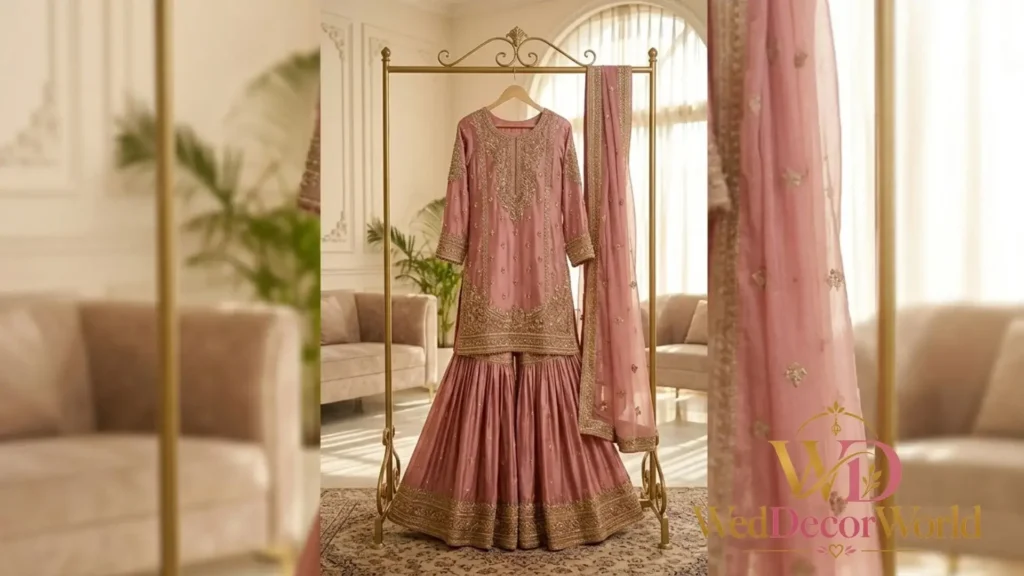
A sharara bridal outfit features wide-legged trousers paired with a long shirt or short kameez. Decorative hems, intricate embroidery, and a coordinated dupatta can give this traditional style a graceful and festive appearance.
This option works well for wedding events such as mehndi, nikah, and other cultural celebrations. Lighter fabrics may offer greater comfort during long ceremonies.
- Traditional Gharara Bridal Outfit

A gharara is a traditional outfit featuring trousers that flare below the knees, usually worn with a kameez and dupatta. Rich fabric, embroidered seams, and decorative borders give the outfit a distinctive silhouette.
Brides can explore jewel tones, pastel shades, or traditional red and gold combinations. Coordinated jewelry and traditional footwear can enhance the overall look.
- Maroon Bridal Lehenga
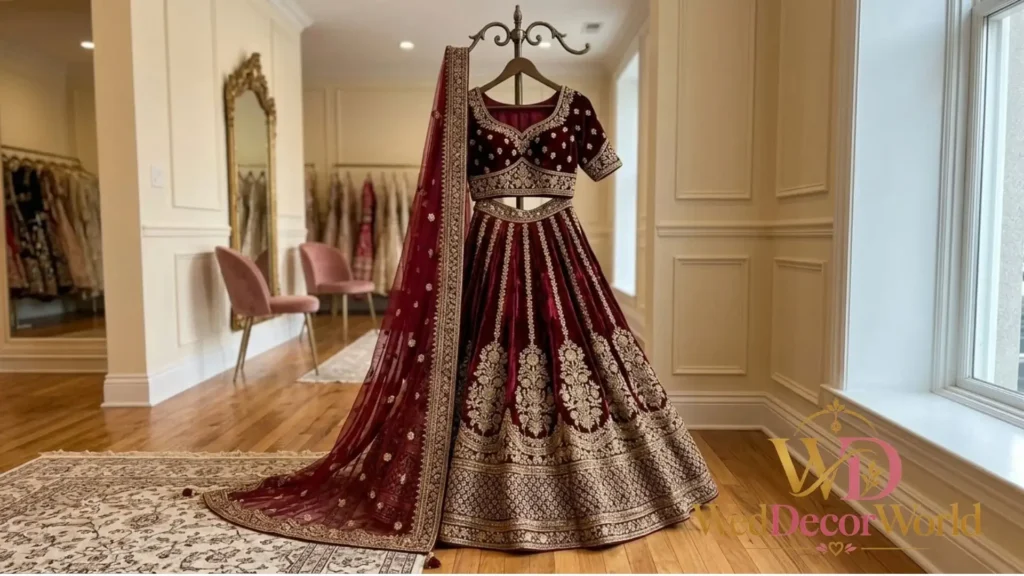
Maroon bridal wear offers a deep, sophisticated alternative to bright red. A maroon lehenga with antique-gold embroidery, detailed borders, and a matching dupatta can create an elegant appearance.
This color works particularly well with traditional gold jewelry and warm metallic accessories. Brides who prefer a rich color palette may find maroon especially appealing for evening ceremonies.
- Ivory and Gold Bridal Wear
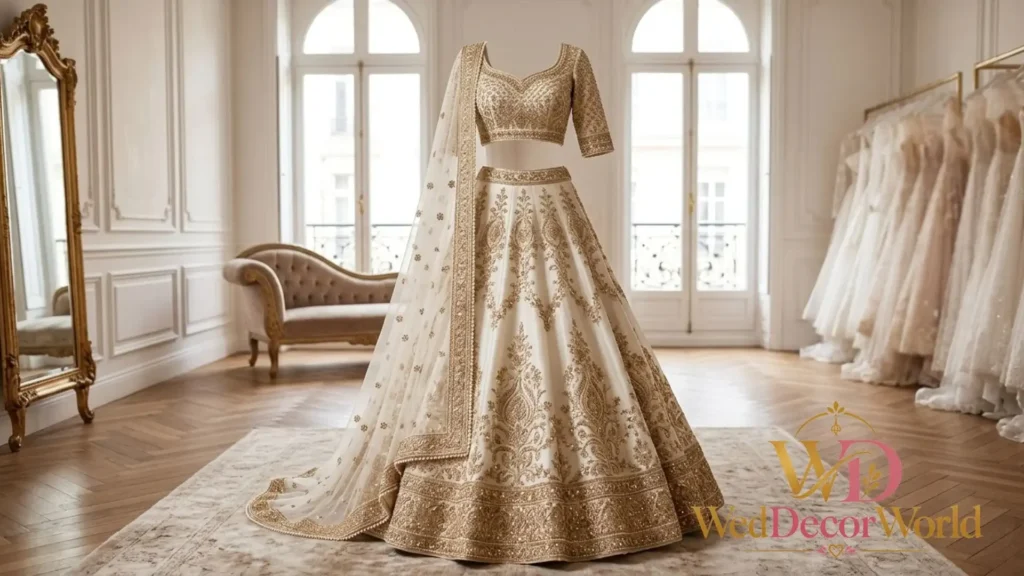
Ivory and gold bridal outfits combine a soft base color with luxurious metallic detailing. An ivory lehenga, embroidered saree, or long traditional dress can feature gold threadwork, pearls, and delicate floral motifs.
This combination is suitable for brides who want a refined look while maintaining traditional craftsmanship. Matching accessories can bring the outfit together without overwhelming its subtle color palette.
- Green Traditional Bridal Outfit

Green bridal wear is a beautiful choice for brides who want a distinctive traditional color. Emerald, bottle green, and deep olive shades can be paired with gold embroidery, contrasting borders, or decorative embellishments.
A green lehenga or sharara can work well for pre-wedding functions and cultural celebrations. Jewelry in gold tones can complement the richness of the fabric.
- Pink Bridal Lehenga
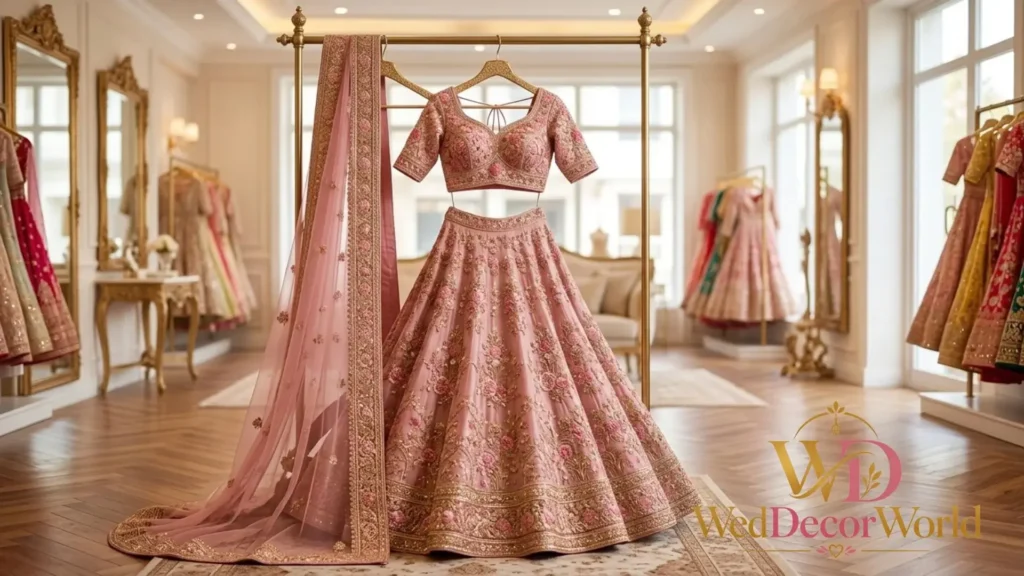
A pink bridal lehenga offers a romantic and graceful alternative to deeper traditional colors. Brides can choose blush pink, rose, dusty pink, or vibrant fuchsia according to their preferred style.
Floral embroidery, fine beadwork, and a coordinated dupatta can add detail to the outfit. Pink bridal wear can be styled for both daytime celebrations and formal evening events.
- Traditional Silk Bridal Saree
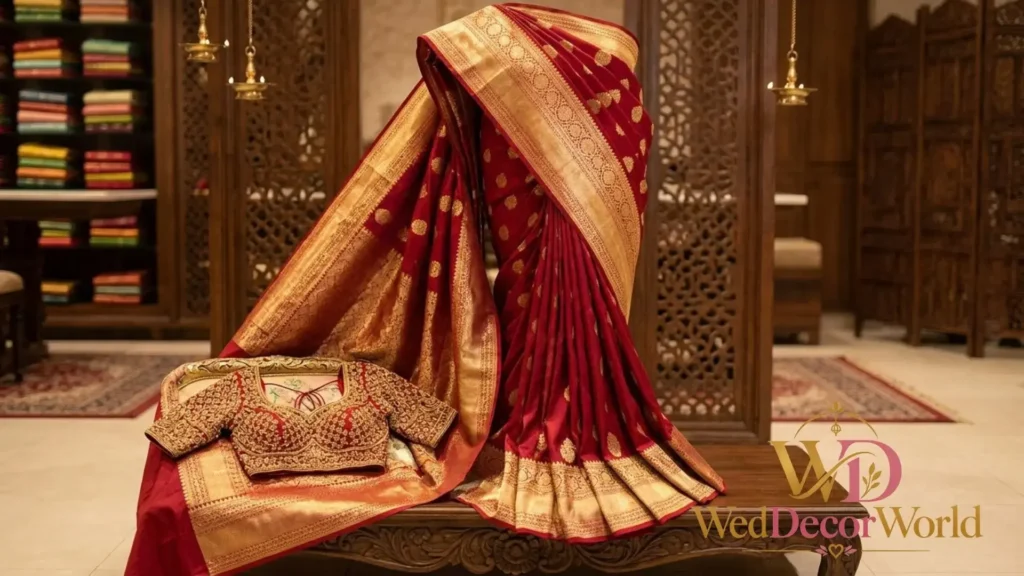
Silk bridal sarees are valued for their rich texture, elegant drape, and decorative borders. Depending on the regional tradition, the saree may feature woven motifs, gold zari, contrasting edges, or intricate patterns.
A matching blouse and traditional jewelry can create a cohesive bridal appearance. When selecting silk, consider its weight and draping comfort for the duration of the event.
- Velvet Bridal Lehenga
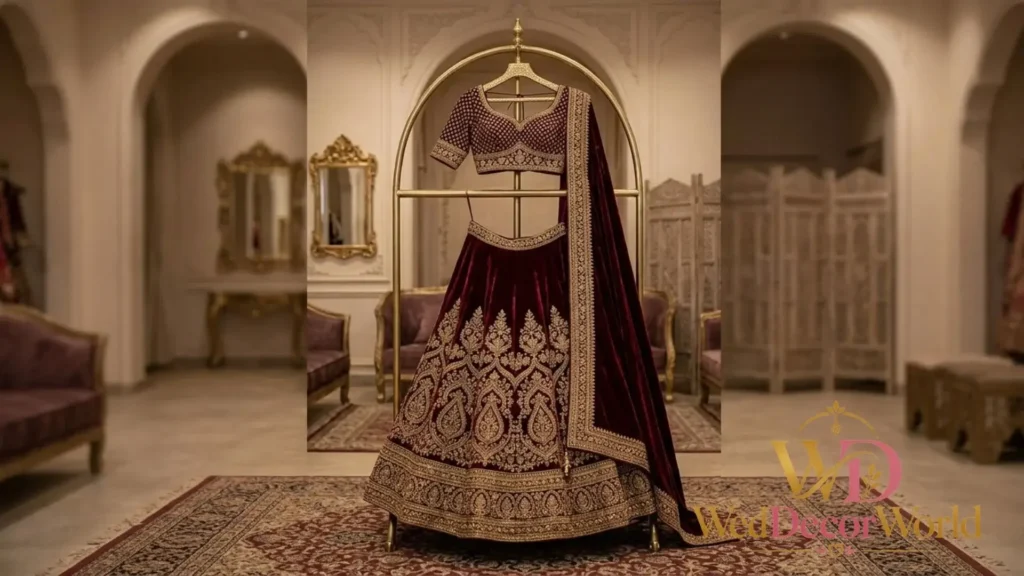
A velvet bridal lehenga can create a rich and luxurious appearance, particularly for cooler-weather weddings and evening celebrations. Deep shades such as maroon, emerald, and navy can pair beautifully with antique embroidery.
Because velvet can be heavier than other fabrics, brides should consider the venue and weather before choosing this style. A balanced design with carefully placed embellishments can make the outfit visually striking.
- Bridal Anarkali Dress
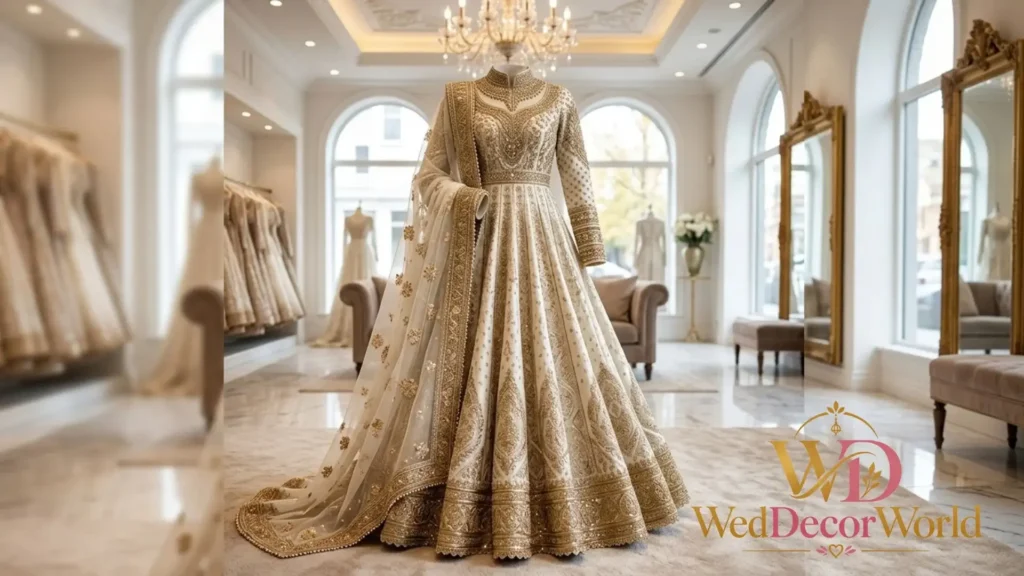
A traditional Anarkali dress features a fitted upper section and a flowing, flared silhouette. Bridal versions may include embroidered panels, decorative borders, embellished sleeves, and a matching dupatta.
This style is suitable for brides who appreciate a graceful outfit with plenty of movement. It can be worn for formal wedding events, engagement celebrations, and other traditional occasions.
- Ivory Pakistani Bridal Dress
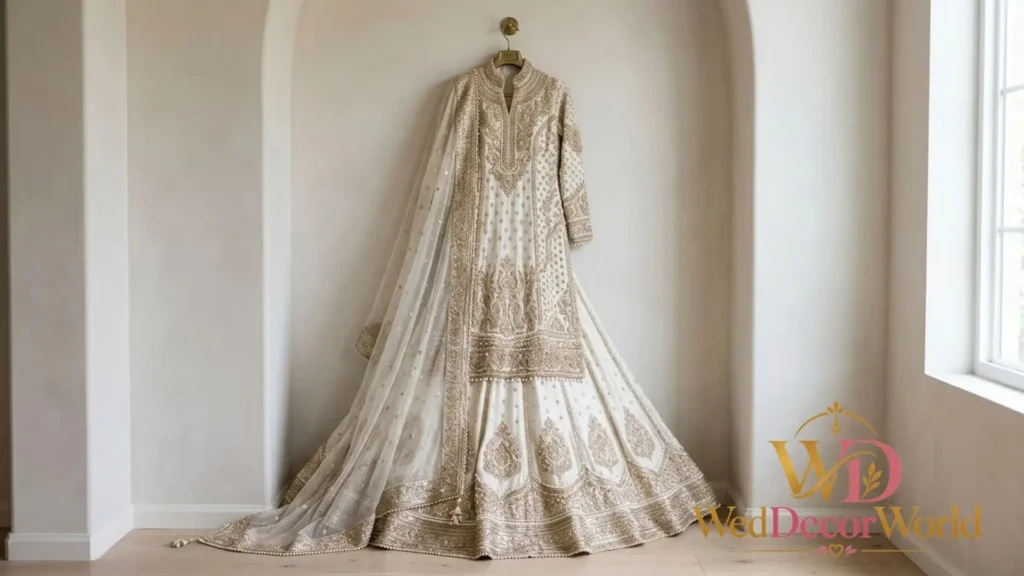
An ivory Pakistani bridal dress offers a sophisticated look with intricate cultural detailing. Designers may incorporate silver or gold embroidery, delicate pearls, lace, and traditional handwork.
A long shirt paired with a lehenga or wide-legged trousers can provide different styling possibilities. A coordinated dupatta with embroidered edges can add a traditional finishing touch.
- Purple Traditional Bridal Wear

Purple bridal outfits are a distinctive option for brides who prefer rich jewel tones. Deep plum, royal purple, and softer lavender shades can each create a different effect.
Embroidery in gold, silver, or matching thread can enhance the fabric without making the design feel overly busy. Purple bridal wear can be styled with complementary jewelry and traditional accessories.
- Pastel Bridal Lehenga

Pastel bridal lehengas feature soft shades such as mint green, powder blue, blush pink, and lavender. These colors can be paired with delicate floral embroidery, subtle beadwork, and lightweight fabrics.
This style is particularly appealing to brides who prefer a softer color palette. A contrasting dupatta or metallic embellishments can add definition while preserving the gentle appearance of the outfit.
- Traditional Bridal Dupatta Styling
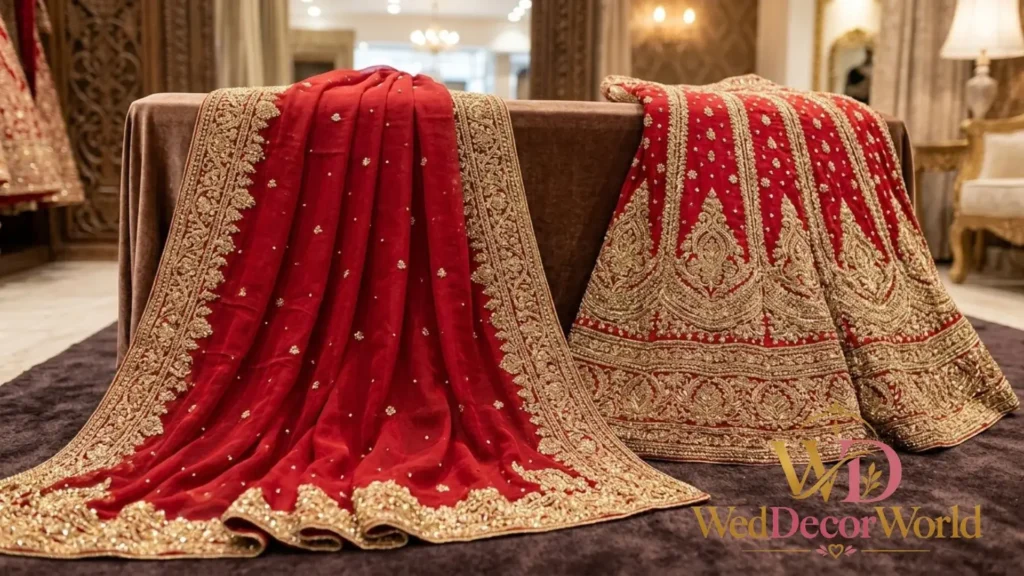
The dupatta plays an important role in many South Asian bridal outfits. It can be draped over the head, arranged across the shoulders, or styled to complement the embroidered blouse and skirt.
A dupatta with a decorated border, delicate motifs, or fine embellishments can enhance a simple outfit. Brides should consider the weight of the fabric and practice the chosen drape before the ceremony.
- Double Dupatta Bridal Look
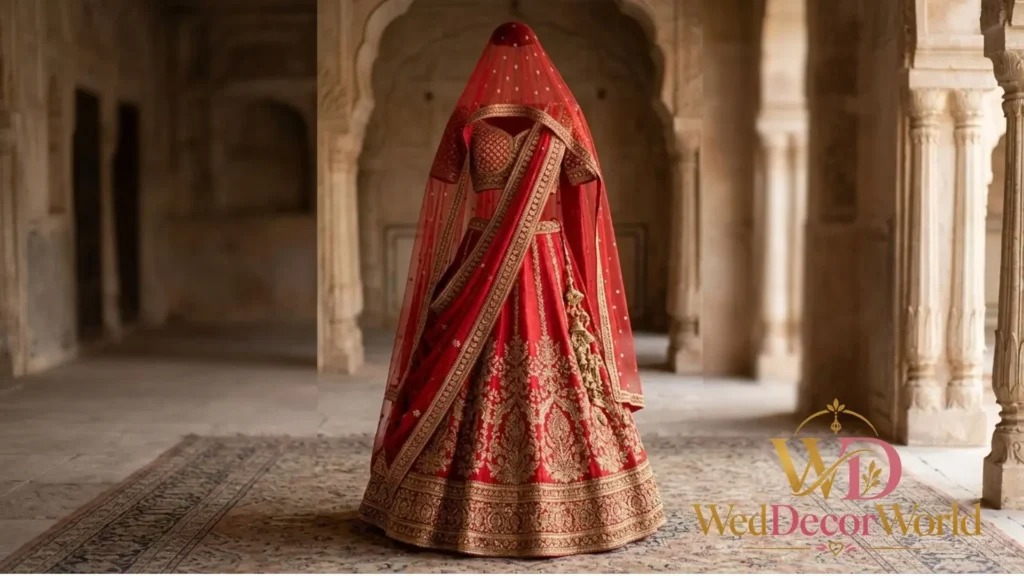
A double dupatta look combines two coordinated dupattas with a lehenga, sharara, or traditional gown. One dupatta may cover the head while the other is arranged over the shoulder or across the outfit.
This styling method adds depth and can create a formal bridal appearance. Using complementary fabrics and colors helps maintain a balanced look while allowing the embroidery to remain visible.
- Traditional Bridal Peshwas
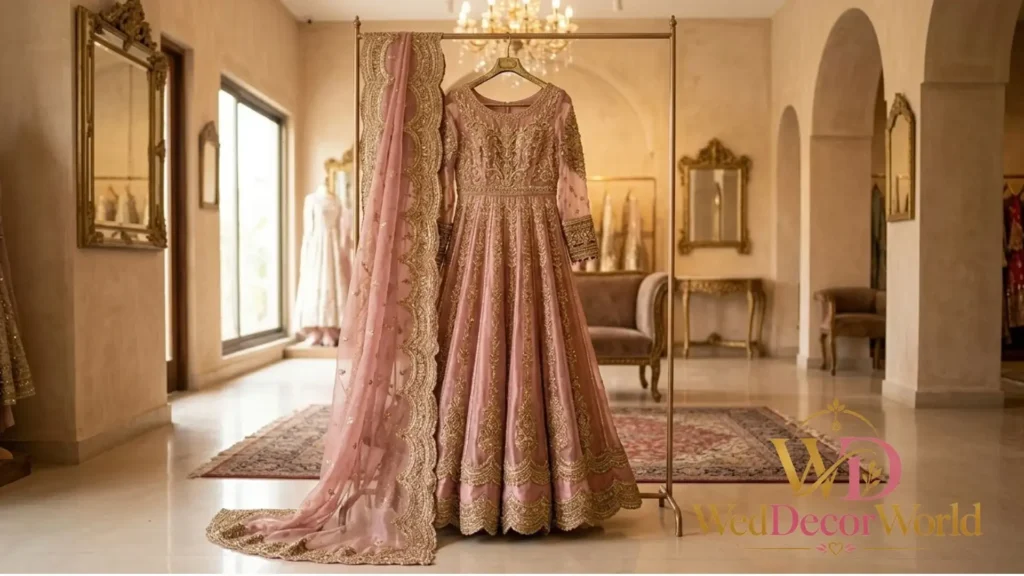
A bridal peshwas is a long, flared traditional dress that can feature a fitted bodice, decorative neckline, and a flowing skirt. Rich fabrics and intricate embroidery can make it suitable for formal cultural celebrations.
Brides can choose classic colors such as red and maroon or explore contemporary shades such as ivory and dusty pink. A matching dupatta and traditional jewelry can complete the outfit.
- Banarasi Bridal Saree
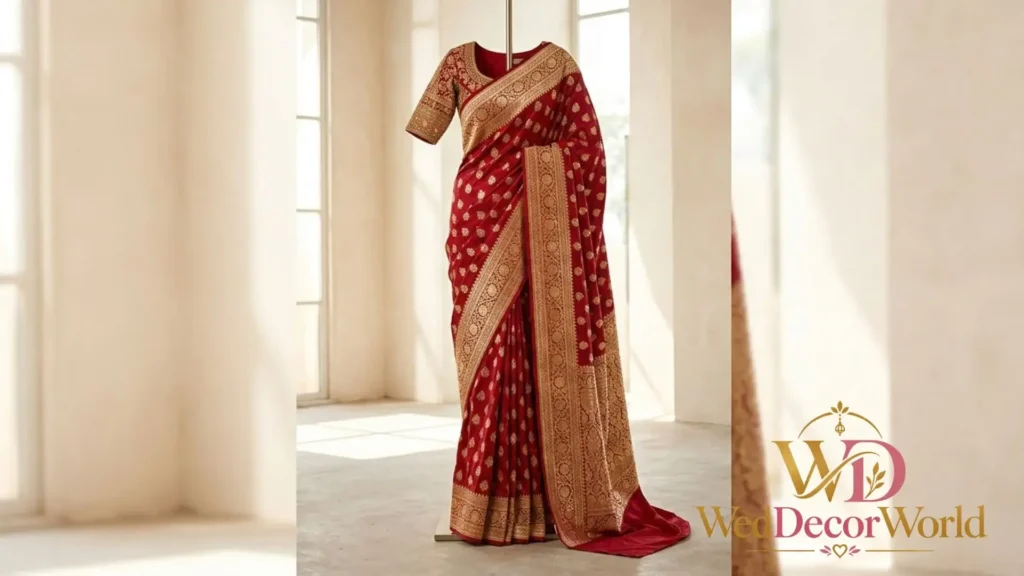
A Banarasi bridal saree is known for its elaborate woven patterns and luxurious appearance. Traditional designs may include floral motifs, brocade details, and decorative gold or silver zari work.
A richly patterned saree can serve as the main feature of the bridal outfit. A coordinated blouse and carefully chosen accessories can complement the woven details.
- Traditional White and Silver Bridal Outfit

White and silver bridal wear offers a cool-toned alternative to gold-heavy designs. An embroidered white lehenga or traditional dress with silver threadwork can look elegant and refined.
Pearl accessories and subtle jewelry can complement this color combination. Brides should consider their cultural customs and ceremony preferences when deciding whether white is appropriate for their wedding.
- Mustard and Gold Mehndi Outfit

Mustard and gold create a warm, festive combination that can be suitable for a mehndi celebration. A traditional lehenga, gharara, or sharara in these shades can feature mirror work, embroidery, and colorful decorative details.
The outfit can be styled with contrasting dupatta colors for additional visual interest. Lightweight materials and comfortable footwear are useful choices for events involving dancing and movement.
- Orange Traditional Bridal Wear

Orange bridal wear offers a vibrant and cheerful option for cultural celebrations. Shades such as burnt orange, rust, and bright saffron can be paired with gold embroidery or contrasting borders.
An orange lehenga or traditional suit can create a distinctive appearance for mehndi and other pre-wedding functions. Coordinated accessories can help balance the brightness of the outfit.
- Traditional Bridal Outfit with Mirror Work
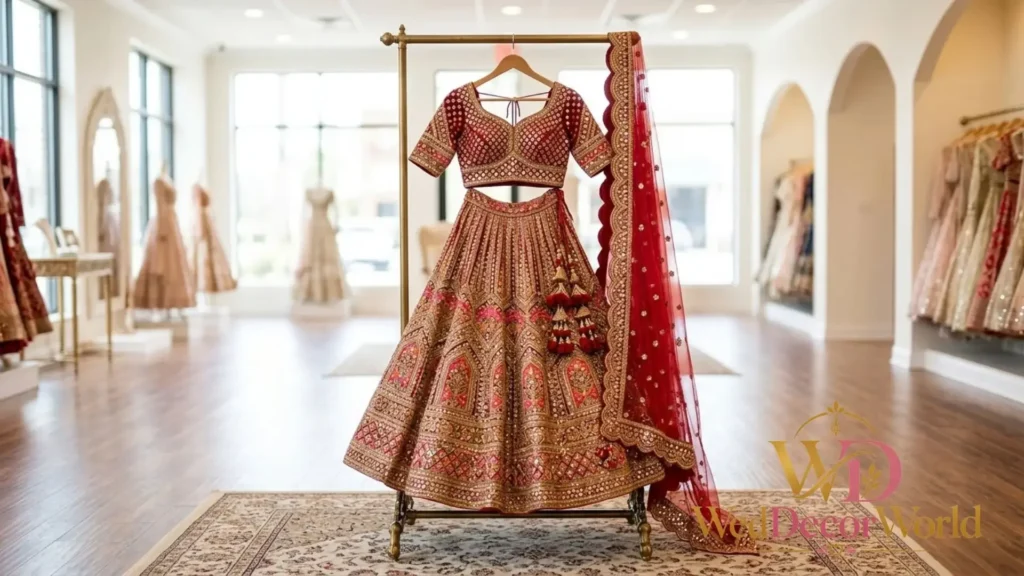
Mirror work is a decorative technique commonly used in South Asian festive clothing. Small reflective pieces arranged in patterns can create texture and visual interest across a lehenga, blouse, or dupatta.
A mirror-work bridal outfit may feature geometric designs, floral motifs, or decorative borders. Brides can select a heavily embellished version for a festive event or a more subtle design for a balanced appearance.
- Hand-Embroidered Bridal Lehenga
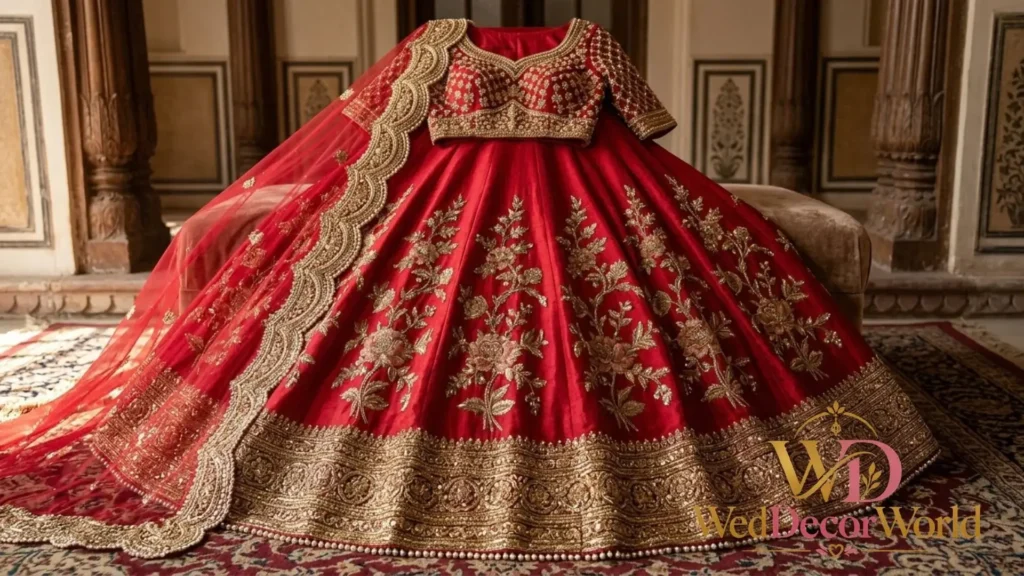
A hand-embroidered bridal lehenga highlights detailed craftsmanship and decorative stitching. Depending on the design, the embroidery may include floral motifs, traditional patterns, pearls, beads, and metallic threadwork.
Because detailed handwork can affect the price and weight of a garment, brides should ask about the materials and construction before purchasing. Choosing a design that suits the budget and event duration can make the outfit more practical.
- Traditional Bridal Outfit with a Long Trail
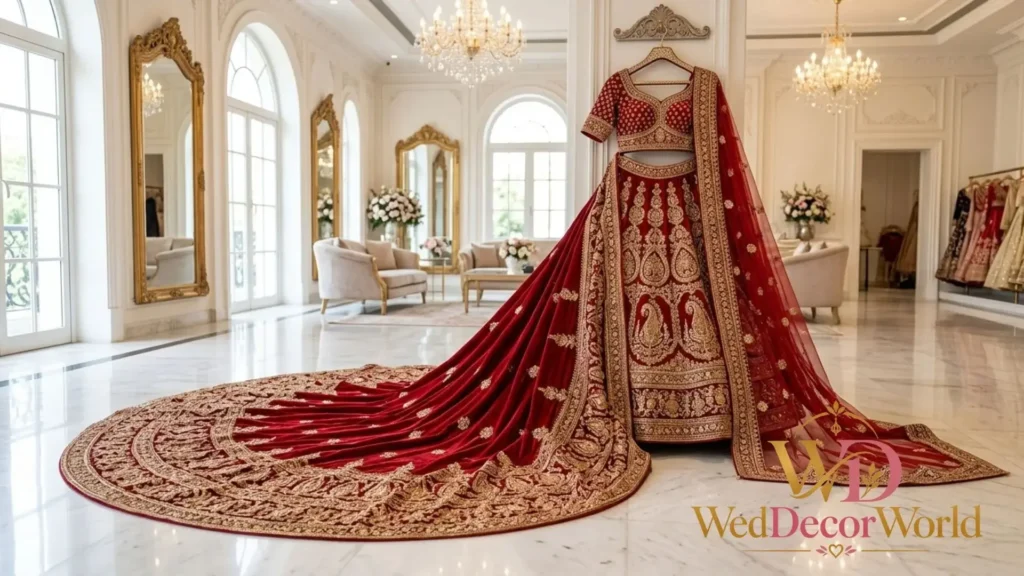
A traditional bridal outfit with a long trail adds a dramatic finish to the silhouette. The trail may feature embroidered borders, decorative motifs, or fabric that matches the main outfit.
This style can suit spacious wedding venues and formal photography settings. Brides should consider how easily the trail can be managed while walking, sitting, and moving through the ceremony.
- Regional Traditional Bridal Wear

Regional bridal clothing offers a wide range of distinctive designs and craftsmanship. Depending on the culture, traditional wedding attire may feature silk sarees, embroidered lehengas, ornate dupattas, special jewelry, or locally significant colors and motifs.
Exploring regional bridal styles can help brides find inspiration that respects their heritage. When incorporating details from another tradition, it is helpful to understand their cultural significance and style the outfit thoughtfully.
- Modest Traditional Bridal Dress

A modest traditional bridal dress may feature long sleeves, a higher neckline, a full-length skirt, and a carefully draped dupatta. Embroidery, lace, pearls, and decorative borders can provide elegance while maintaining the preferred level of coverage.
This style offers many possibilities, from richly decorated bridal lehengas to simpler traditional gowns. Fabric choice and tailoring can help create an outfit that feels comfortable throughout the celebration.
- Traditional Bridal Wear with Modern Details
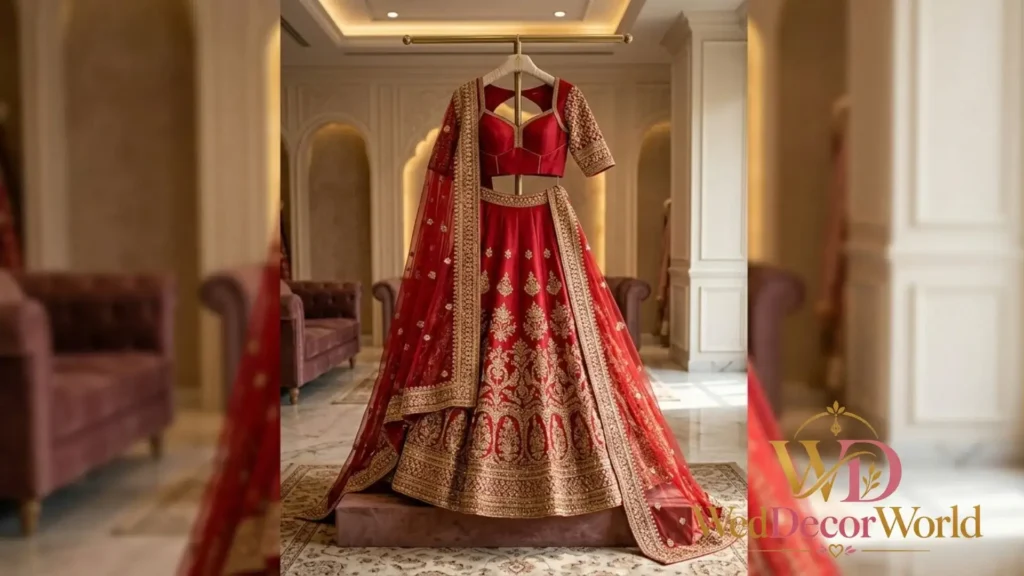
Some brides prefer traditional outfits that incorporate contemporary design elements. A classic lehenga may feature a modern neckline, a lighter skirt, a structured blouse, or subtle color blocking while retaining traditional embroidery.
This approach allows brides to express their personal style without losing the cultural character of their outfit. The key is to balance modern details with the traditional elements that matter most to the bride.
- Simple Traditional Bridal Outfit
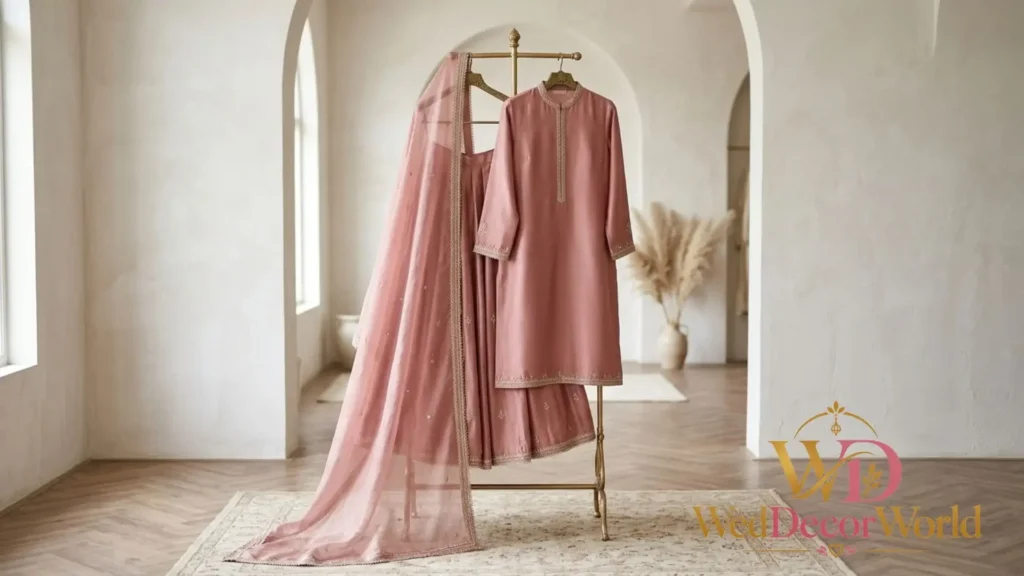
A simple traditional bridal outfit can be elegant without extensive embellishment. A well-tailored lehenga, silk saree, or embroidered suit in a carefully selected color can create a timeless look.
Focus on fabric quality, fit, finishing, and coordinated accessories rather than the number of decorative details. This approach can also be a practical choice for brides working with a limited budget.
More Wedding Ideas
How to Choose the Right Traditional Bridal Wear?
Selecting a bridal outfit involves more than choosing a beautiful design. Consider these factors before making a final decision.
Choose a Color That Suits Your Wedding
Traditional red, maroon, and gold are popular choices for many South Asian bridal celebrations. However, ivory, pink, green, purple, and pastel shades offer plenty of alternatives. Consider your wedding customs, venue, season, and personal preference before selecting a color.
Select Comfortable Fabric
Silk, velvet, chiffon, organza, and net each have different textures and weights. Heavier fabrics and extensive embellishments may create a grand appearance but can feel less comfortable during long events. Choose materials that suit the weather and allow you to move comfortably.
Consider the Wedding Ceremony
Different wedding functions may call for different outfits. A heavily embroidered lehenga may suit the main ceremony, while a lighter sharara or traditional suit can be more practical for a mehndi event. Planning outfits according to each function can help you create a coordinated bridal wardrobe.
Set a Bridal Wear Budget
Before shopping, determine how much you can spend on the outfit, tailoring, jewelry, footwear, and other accessories. Compare ready-made designs with custom-made options and ask about alterations, delivery dates, and care requirements.
A thoughtfully selected outfit does not need to be the most expensive one. Good tailoring, suitable colors, and well-coordinated details can make a significant difference.
Coordinate Jewelry and Accessories
Jewelry, footwear, handbags, and dupatta styling all contribute to the overall bridal look. Heavily embellished outfits may pair well with carefully coordinated accessories, while simpler designs can accommodate more decorative jewelry.
Try to maintain a consistent color palette and ensure that accessories do not make the outfit uncomfortable or difficult to manage.
Plan Fittings in Advance
Traditional bridal outfits often involve detailed tailoring and embellishments. Arrange fittings early and check the length, sleeves, neckline, waist, and overall comfort. If the outfit includes a long dupatta or train, practice walking in it before the wedding.
Traditional Bridal Wear Trends to Explore
Traditional bridal fashion continues to combine cultural craftsmanship with individual expression. Classic red lehengas, embroidered sarees, velvet outfits, and gold detailing remain familiar choices, while pastel colors, ivory ensembles, and lighter silhouettes provide alternatives.
Double dupatta styling, delicate mirror work, statement borders, and contemporary blouse designs can also help personalize traditional outfits. Rather than following every trend, choose details that complement your cultural traditions and make you feel confident.
2 thoughts on “30 Traditional Bridal Wear Ideas for a Beautiful Wedding Look”